How to Choose the Best Solar Mounting System for Your Roof?

Time:2026-03-31 Author:Oliver
0%

Choosing the right solar mounting system for your roof is crucial. The right system ensures maximum energy efficiency and safety. A solar mount holds your panels securely, facing the sun. It influences how much energy you can generate. Different roofs require different mounting techniques.

So, how to choose the right solar mounting system for my roof? Consider your roof type, pitch, and materials. Flat roofs may need ballasted systems, while sloped roofs often require penetrative mounts. The durability of the mounting system is essential. You want a product that can withstand local weather conditions.

Reflect on your energy needs and budget as well. A well-chosen system can optimize performance but may demand higher initial investments. Proper research is key. Consult professionals and read reviews for expert insights. Your roof plays a vital role in this process, impacting both efficiency and longevity. Don’t rush; take your time to evaluate your options.
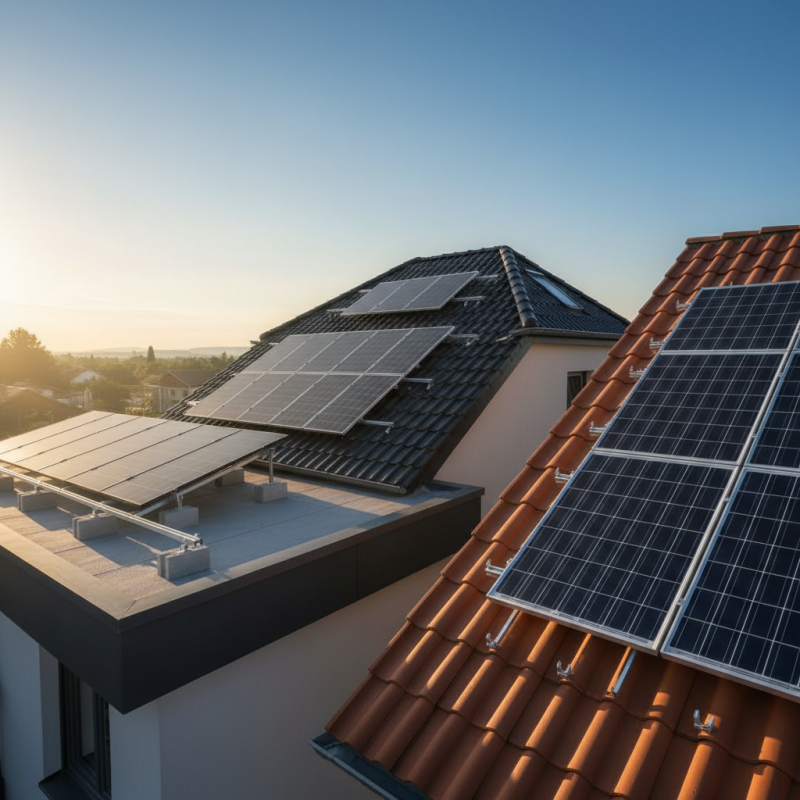
How to Choose the Best Solar Mounting System for Your Roof?

Factors to Consider When Selecting a Solar Mounting System

Choosing the right solar mounting system is crucial for maximizing solar energy output. One of the primary factors to consider is the roof's orientation and angle. Studies show that roofs facing south capture the most sunlight. The tilt should ideally be between 30 to 45 degrees, optimizing solar panel exposure. A perfectly flat roof might not be the best choice, as it can lead to water pooling and lower energy efficiency.

Another important consideration is the roof's material. Asphalt shingles, metal, and tiles each have different mounting requirements. For instance, mounting systems for tile roofs may need added hardware, which can increase installation costs. According to the National Renewable Energy Laboratory, improper mounting can lead to panel damage. A professional assessment can identify these risks before installation.

Lastly, local regulations and building codes should not be overlooked. Some areas have specific guidelines concerning solar installations. Non-compliance could result in costly fines or required modifications. Always verify with local authorities to ensure full compliance. Investing time in these factors can lead to long-term benefits and greater energy efficiency.

Types of Solar Mounting Systems: Roof-Mounted vs. Ground-Mounted

Choosing the right solar mounting system is essential for maximizing energy efficiency. Two popular options are roof-mounted and ground-mounted systems. Roof-mounted systems are typically easier to install. They utilize existing structures and save space in your yard. However, roof angles and shading can impact efficiency. Not all roofs are suitable for solar panels, depending on the material and orientation.

Ground-mounted systems offer flexibility in placement. They can be installed at the optimal angle for solar exposure. This option is beneficial for homes with ample yard space. Installation may involve more groundwork and maintenance. Consider the local climate and soil conditions before deciding. Ground-mounted systems often require more upfront investment.

Both options have merits and drawbacks. Roof-mounted systems might limit future roof repairs. Ground-mounted systems may face zoning regulations. It's important to analyze your specific situation carefully. Consult with a solar expert to understand local regulations and structural considerations. This helps in making an informed choice.

Assessing Roof Compatibility for Solar Installation

When considering a solar installation, roof compatibility is crucial. A recent report from the National Renewable Energy Laboratory indicates that nearly 40% of roofs are unsuitable for solar panels. Factors like roof age, material, and slope play significant roles in this assessment.

You should inspect your roof thoroughly before installing solar mounting systems. It needs to be sturdy and in good condition. Asphalt shingles are common and generally compatible with solar installations. However, clay tiles can be challenging and require specialized mounting solutions. If your roof is older than 20 years, it might be wiser to replace it before adding solar panels.

Additionally, the pitch of your roof matters. A slope between 30 to 45 degrees often allows for optimal sunlight exposure. Roof orientation is also vital; ideally, a south-facing roof captures the most sunlight. Many homeowners overlook these details, leading to compromised efficiency. Understanding your roof's compatibility will ultimately influence your solar system's performance and longevity.

Evaluating Local Regulations and Permits for Solar Systems

When planning a solar installation, understanding local regulations and permits is crucial. Each area has distinct guidelines regarding solar systems. This varies by region, so do your homework. Start with a visit to your local permitting office. They can provide insights into necessary permits and regulations specific to your locality. Ignoring these regulations can lead to fines or project delays.

In many jurisdictions, you’ll need to submit detailed plans before installation. Some areas require inspections during and after installation. Be prepared for possible changes to your plans to meet local codes. Reach out to local solar energy organizations for guidance. They can offer tips to navigate the process more efficiently.

Consider the possibility that regulations may change. Staying informed on amendments to solar laws can enhance your installation process. This is a critical point of reflection. Have a flexible approach to your installation plans. Engage with community input or local governance, which can shape your project's success. Understanding these elements fosters a more reliable and compliant solar energy solution for your roof.

Cost Analysis: Budgeting for Solar Mounting Solutions

When budgeting for solar mounting solutions, several factors come into play. The size and type of your roof significantly influence costs. Larger roofs need more mounts and can vary in price based on design and material. For instance, flat roofs usually require ballasted mounts, while sloped roofs often utilize penetrative mounts. This choice can affect your overall budget.

Consider installation costs too. Labor expenses can fluctuate based on your location. Prices can vary, sometimes unexpectedly. You may face additional charges for unexpected structural issues or specific requirements for the installation. Research local rates and plan accordingly.

Don't overlook maintenance costs. While solar systems generally require minimal maintenance, it’s wise to allocate funds for potential repairs or inspections. Choosing the right mounting system doesn't just depend on initial costs. It’s a long-term investment that requires thoughtful financial planning. Reassessing your budget periodically may be necessary to adapt to changing market conditions.

Cost Analysis of Solar Mounting Systems

FAQS

: What should I consider when selecting a solar mounting system?

: Consider the roof's orientation, angle, and material for optimal energy output.

What is the ideal roof angle for solar panels?

The ideal tilt is between 30 to 45 degrees for maximizing sunlight exposure.

How does roof material affect solar panel installation?

Different materials require specific mounting systems and may increase installation costs.

Why is professional assessment important before installation?

A professional can identify risks like improper mounting that may lead to panel damage.

What local factors must I check before installing solar panels?

Verify local regulations and building codes to avoid fines or required changes.

What are the differences between roof-mounted and ground-mounted systems?

Roof-mounted systems save yard space but may limit future repairs. Ground-mounted systems offer flexible placement.

Are ground-mounted systems more expensive than roof-mounted systems?

Yes, ground-mounted systems typically require a higher initial investment and more groundwork.

Why should I stay informed about local regulations?

Regulations can change, impacting your installation process and compliance needs.

What should I do if local regulations are complex?

Reach out to local solar organizations for guidance and support in navigating the process.

How can community input influence my solar project?

Engaging with the community can shape your project’s success and compliance with local norms.

Conclusion

When considering how to choose the right solar mounting system for my roof, it’s essential to look into several factors that impact the efficiency and compatibility of the solar installation. First, assess the types of mounting systems available, distinguishing between roof-mounted and ground-mounted options, each offering unique advantages based on space and structural integrity. Additionally, evaluating roof compatibility is crucial; ensure your roof's orientation, angle, and material support the selected system effectively.

Another key aspect is to stay informed about local regulations and necessary permits that may affect installation. Lastly, conduct a cost analysis to establish a budget for your solar mounting solutions, factoring in both initial investments and long-term savings. By prioritizing these elements, you can confidently determine the best solar mounting system that meets your specific needs and adheres to local guidelines.

Oliver

Oliver

Oliver is a seasoned marketing professional with a wealth of expertise in driving brand awareness and engagement. With a deep understanding of our company's product offerings, he consistently delivers high-quality content that enriches our professional blog. His insights not only shed light on......